Magnolia
Magnolia
Meaning and Symbolism
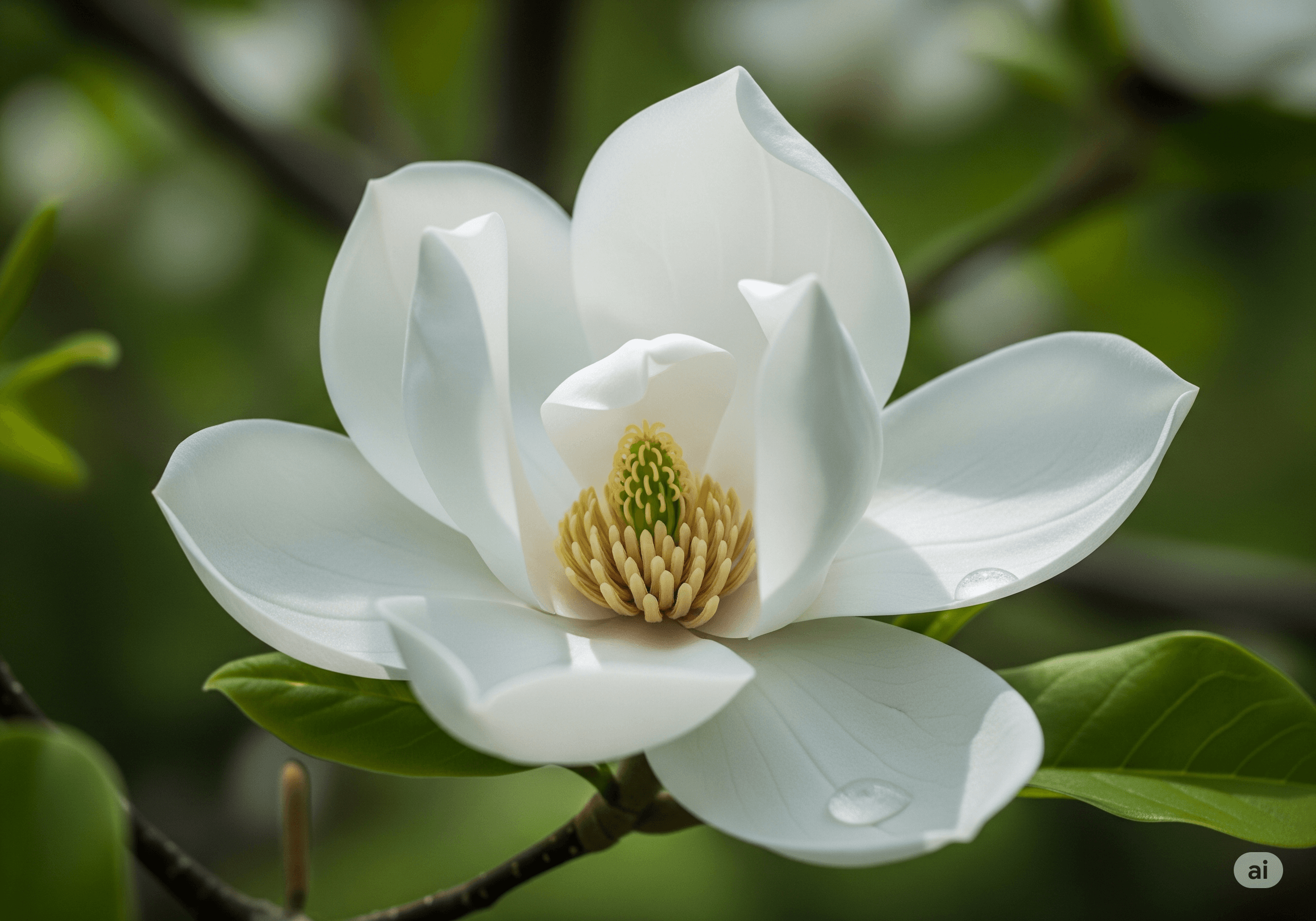
Magnolias are often associated with nobility, dignity, and a love of nature. Because of their large, pristine blooms and ancient lineage, they symbolize the glory and magnificence of the natural world. In the American South, the magnolia flower has become an emblem of hospitality and perseverance – the trees are evergreen and long-lived, representing endurance and eternal beauty. Magnolia blossoms (especially white magnolias) can signify purity and perfection, making them a popular choice in bridal bouquets and wedding décor to represent the purity of love. In some cultures, magnolias also reflect feminine sweetness and innocence – in Chinese symbolism, the white magnolia is thought to embody a woman’s beauty and gentleness. Another notable meaning is tied to perseverance: magnolia trees are ancient survivors (the species appeared before bees did, surviving by inviting beetles as pollinators), so they carry the symbolism of strength through ages and adaptability. Overall, gifting a magnolia or using its motif sends a message of respect, perseverance, and the sublime beauty found in integrity and nature.
History and Cultural Significance
Magnolias are among the oldest flowering plants on Earth. Fossil records show magnolia-like flowers dating back about 95 million years, predating the evolution of bees – which explains why magnolias are pollinated by beetles and have such thick, sturdy petals to withstand them. The genus Magnolia is named after French botanist Pierre Magnol:contentReference[oaicite:83]{index=83}, and many magnolia species are native to East Asia and the Americas. In traditional Chinese medicine, the bark of Magnolia officinalis (hou po) has been used for over a thousand years to treat anxiety and stress, thanks to compounds that modern science recognizes as anti-anxiety agents. Magnolias feature prominently in Southern United States history. Magnolia grandiflora (the Southern magnolia) is the state flower of both Mississippi and Louisiana, where it’s adored for its large white blossoms and glossy evergreen leaves. It has come to represent the South’s essence – gracing everything from city logos to literary metaphors of Southern grace. During the Victorian era, magnolia flowers were sent to convey admiration of someone’s nobility or splendid beauty, aligning with the flower’s association with dignity. In art and literature, magnolias often symbolize the arrival of spring and the sweeping beauty of nature; for example, they’re celebrated in countless Chinese ink paintings and Japanese ukiyo-e prints as harbingers of warmer seasons. The magnolia also saw a surge in popularity through horticulture in Europe and America in the 18th and 19th centuries. Botanists cultivated various exotic magnolia species brought from Asia, such as the Yulan magnolia from China and the star magnolia from Japan, which now bloom in public gardens and city streets each spring. From surviving dinosaurs to becoming state emblems, magnolias carry a legacy that’s both prehistoric and culturally rich, symbolizing a timeless strength and beauty that transcends eras.