Dahlia
Dahlia
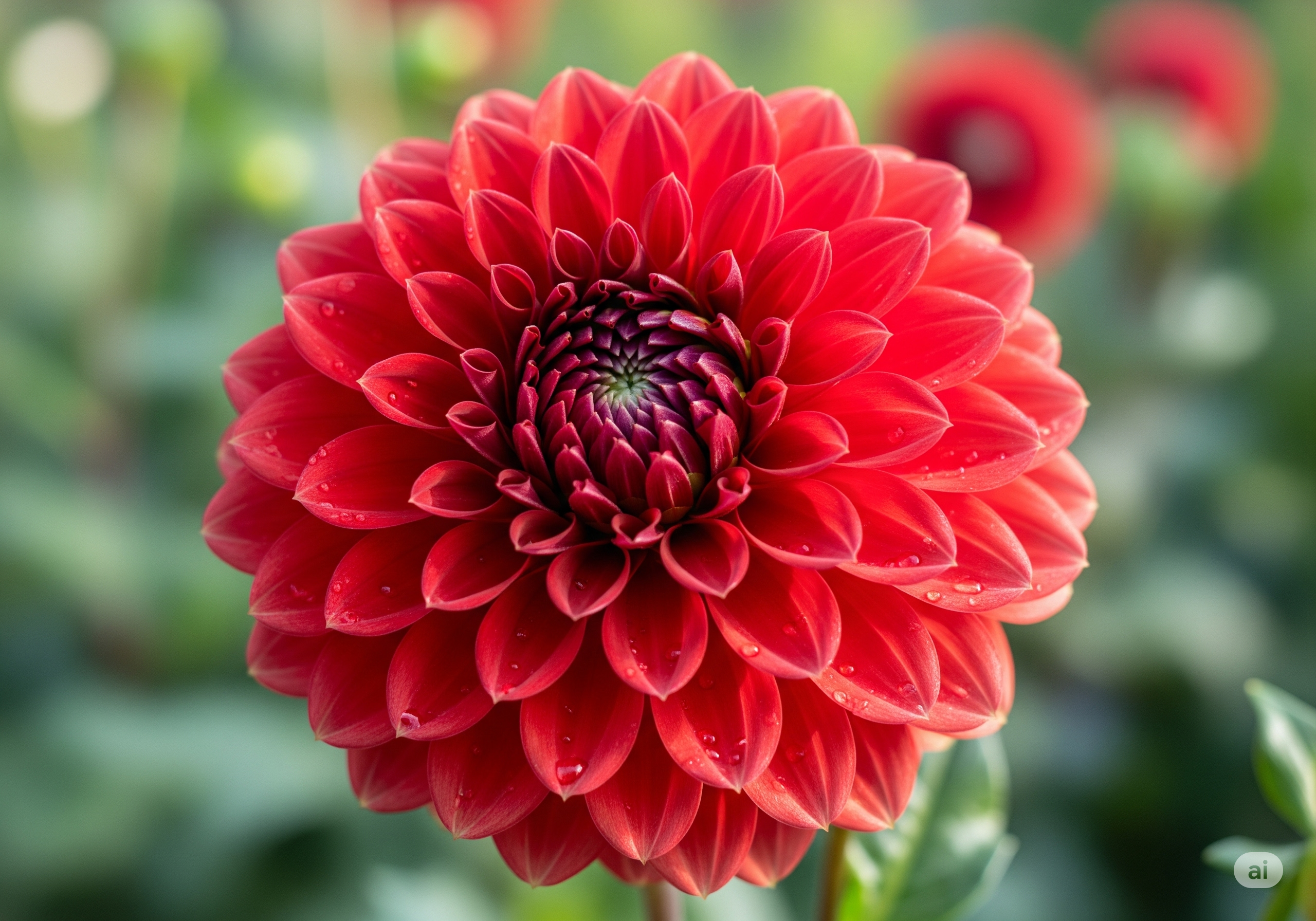
Meaning and Symbolism
Dahlias are dramatic blooms that symbolize inner strength, creativity, and the ability to stand out from the crowd. Often associated with elegance and dignity:contentReference[oaicite:77]{index=77}, they convey the message of finding beauty in diversity – as dahlias themselves come in an astonishing array of shapes and colors. A common meaning for dahlia is “forever thine” or commitment, making them a popular choice in celebrations of enduring bonds (such as anniversaries or to congratulate a couple on their marriage). They also represent positive change and perseverance. Given their tendency to bloom later in the season (late summer into fall), dahlias have come to signify extending grace and staying resilient even as the year wanes. Different colors carry additional sentiments: red dahlias can express power and the strength of love; pink dahlias convey kindness, grace, and femininity; purple dahlias denote admiration and royalty; yellow or orange dahlias bring out meanings of joy, sunshine, and new beginnings as they light up any space with cheer. In Victorian times, receiving a dahlia meant a lasting bond or an expression of gratitude to someone, hence it could be seen as an invitation to keep someone in your life forever. Today, dahlias remain a favorite for their symbolic richness and their unparalleled variety, embodying the idea that one can be both strong and stunningly unique.
History and Cultural Significance
Dahlias are native to Mexico and Central America, where they were grown by the Aztecs long before European contact. The Aztecs called the dahlia “accoxochitl” and used parts of the plant for food and medicine (their tubers were eaten and considered a delicacy, somewhat like potatoes). When Spanish botanists came across dahlias in the 16th century, they sent samples back to Europe. However, it wasn’t until the late 18th century that dahlias were successfully cultivated in Europe (the flower was named Dahlia in 1791 after Swedish botanist Anders Dahl:contentReference[oaicite:78]{index=78}). Once established in European gardens, dahlias quickly sparked horticultural fervor. The Victorians in the 19th century hybridized dahlias extensively, producing thousands of varieties – from tiny pompon dahlias to gigantic 'dinner-plate' dahlias over 10 inches across. This range of forms reinforced the dahlia’s association with diversity and creativity. Mexico has embraced the dahlia as a national symbol; it was declared the national flower of Mexico in 1963:contentReference[oaicite:79]{index=79}, representing the country’s indigenous flora and the cultural importance of the flower (it reflects the resilience and adaptability of the Mexican people:contentReference[oaicite:80]{index=80}). In the language of flowers, Victorians gave the dahlia meanings of lasting bond and commitment, possibly influenced by their use in Victorian weddings and gardens as a statement flower. Interestingly, dahlias also play a role in ecology: their brightly colored blooms attract pollinators like butterflies and bees late in the season, providing a crucial source of nectar and pollen when many other flowers have finished blooming. From Aztec gardens to English estates, the dahlia’s journey highlights a flower that has captivated people’s imaginations, inspiring everything from national pride to competitive flower shows dedicated solely to showcasing the finest dahlias.