Hibiscus
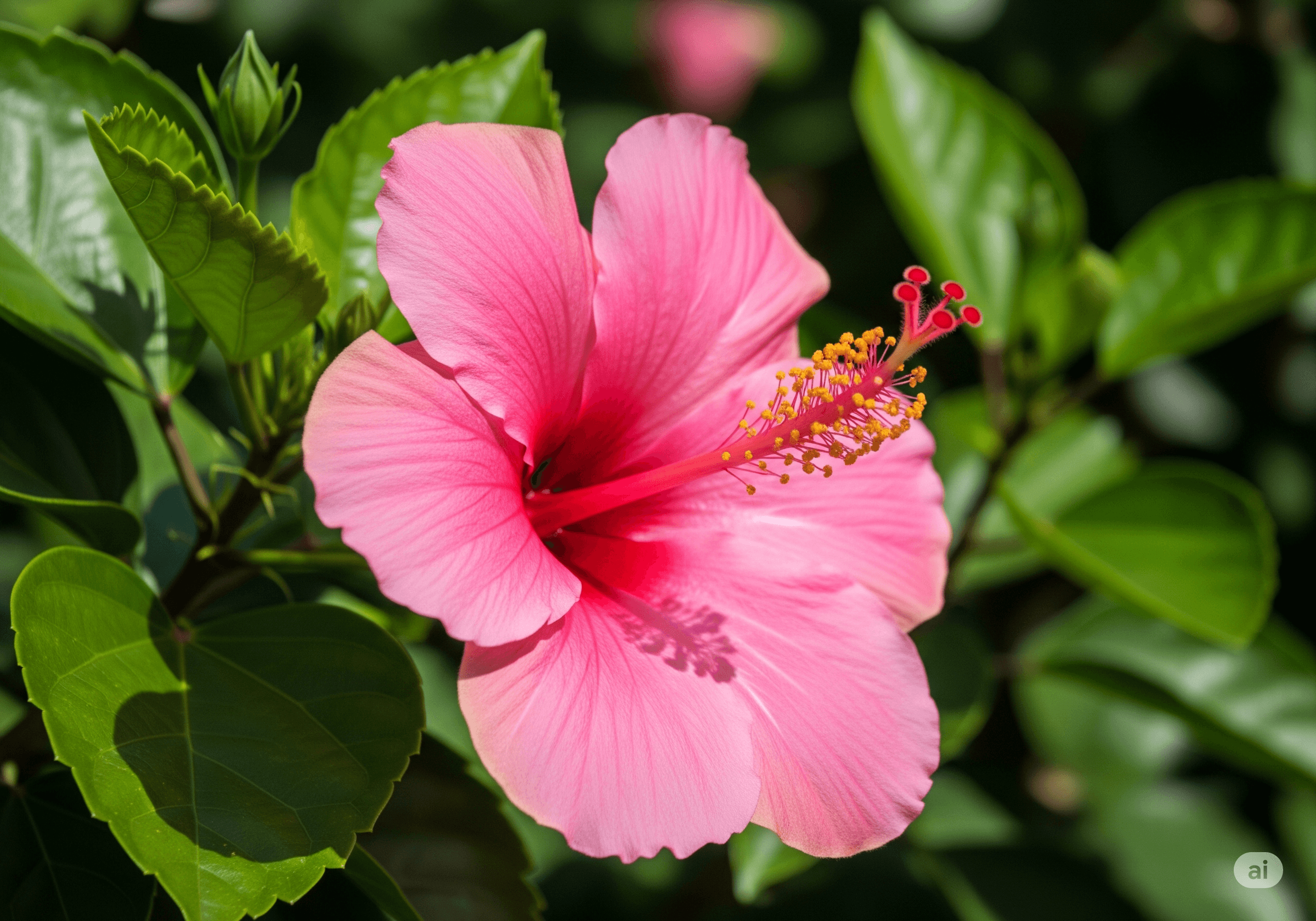
Hibiscus rosa-sinensis
Meaning and Symbolism
The hibiscus is an emblem of tropical allure and delicate beauty. In Hawaii, a hibiscus tucked behind the ear is a sign of welcome and the aloha spirit – these blooms symbolize hospitality, happiness, and respect. Hibiscus flowers also represent friendship and joy, especially the yellow hibiscus which is the state flower of Hawaii and is said to bring good luck:contentReference[oaicite:21]{index=21}. Red hibiscus carries connotations of love, passion, and deep affection:contentReference[oaicite:22]{index=22}, often exchanged between sweethearts in tropical regions much like roses in the West. There’s also a spiritual aspect to hibiscus: in Hinduism, the red hibiscus is sacred to the goddess Kali, offered in prayer for its bold color symbolizing both creation and destruction:contentReference[oaicite:23]{index=23}. Because hibiscus blooms are short-lived – often lasting only a day – they can remind us to seize the moment and appreciate the fleeting nature of beauty. Overall, hibiscus flowers embody a blend of gentle love, fame (in Victorian times they could mean ‘acknowledge your delicate beauty’), and a zest for life.
History and Cultural Significance
Hibiscus plants are native to warm-temperate, subtropical, and tropical regions around the world, with many species originating in Asia and the Pacific islands. They have been cultivated for centuries for their showy flowers and practical uses. In Polynesian culture, wearing a hibiscus flower is part of traditional attire – women often adorn their hair with a hibiscus to signify if they are single (over the right ear) or married (over the left ear):contentReference[oaicite:24]{index=24}. Hibiscus rosa-sinensis (the Chinese hibiscus) traveled from East Asia to Europe in the 18th century as an exotic greenhouse plant, prized for its large, flamboyant blooms. Today, hibiscus is the national flower of several countries: Malaysia regards the red hibiscus (Bunga Raya) as a symbol of courage, life, and rapid growth:contentReference[oaicite:25]{index=25}, while South Korea and Haiti have their own native hibiscus species as national emblems. Beyond ornamentation, hibiscus has significant culinary and medicinal roles. Hibiscus sabdariffa (roselle) is brewed into tart, cranberry-colored teas like hibiscus tea or agua de Jamaica, rich in vitamin C and believed to help lower blood pressure. Throughout the Caribbean, Africa, and Asia, hibiscus beverages are enjoyed both for refreshment and traditional medicine. The versatility of hibiscus even extends to practical crafts: in India, one nickname for hibiscus is the 'shoe flower' because its petals were historically used to polish shoes to a shine:contentReference[oaicite:26]{index=26}. From cultural rituals to everyday uses, the hibiscus flower has woven itself into the fabric of many societies, always evoking a sense of tropical grace and vitality.