Gardenia
Gardenia jasminoides
Meaning and Symbolism
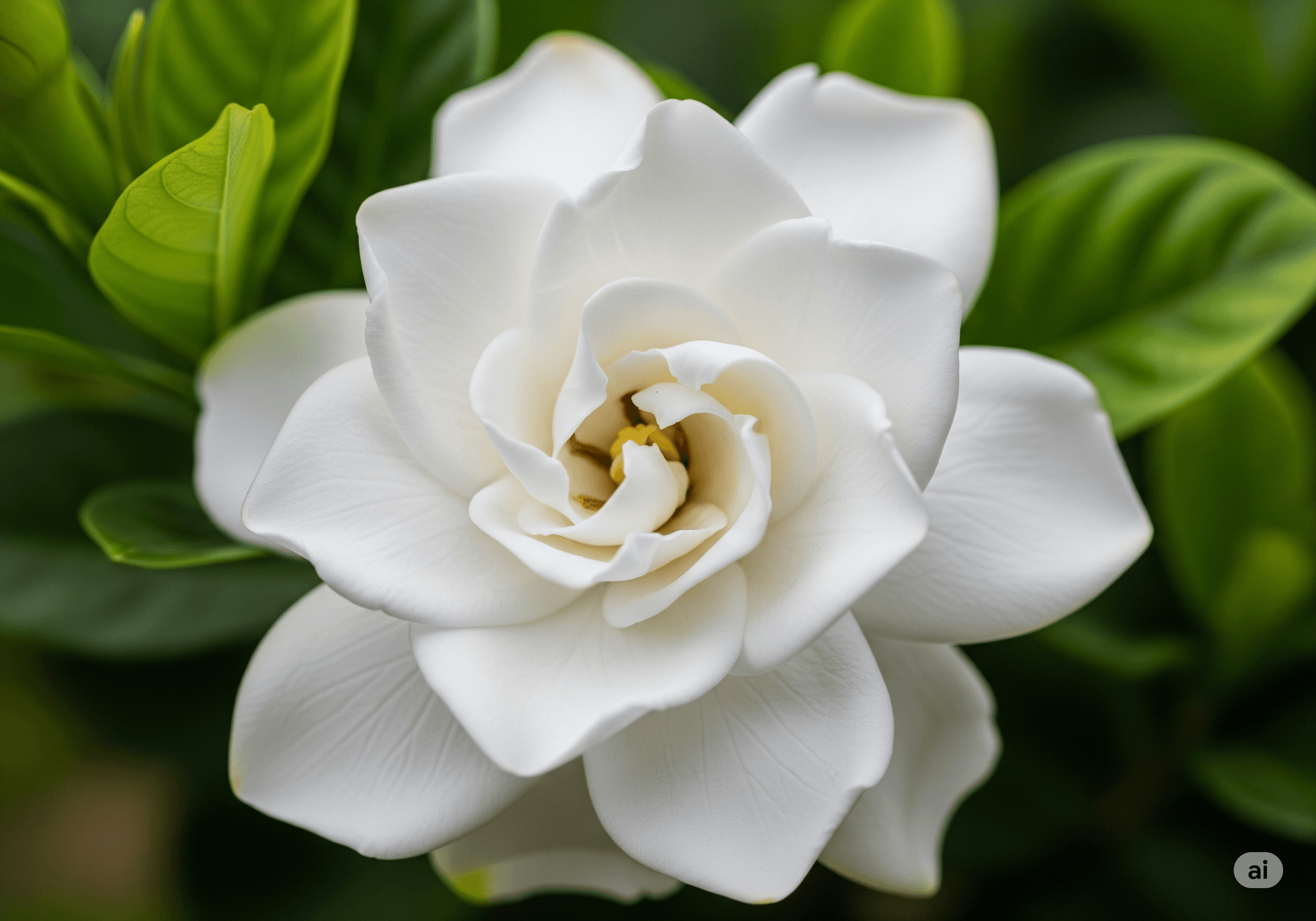
The gardenia is renowned for its creamy white petals and intoxicating fragrance, making it a symbol of purity, sincerity, and refinement:contentReference[oaicite:39]{index=39}. In the Victorian language of flowers, gardenias conveyed secret love – giving someone a gardenia meant you admired them in secret, due to the flower’s association with a love that is deep but unspoken:contentReference[oaicite:40]{index=40}. They also represent trust and purity, as the pristine white bloom suggests innocence. It’s no wonder gardenias are popular in wedding bouquets and corsages, where they can symbolize the beauty of love and the purity of marriage. Beyond romance, gardenias carry a sense of peace and gentleness. Some cultures view them as spiritual flowers that can attract positive energy and promote healing and harmony at home. Overall, a gardenia’s presence – whether in a garden or gifted in a bouquet – whispers of elegant devotion and heartfelt feelings that are as pure as the flower’s color.
History and Cultural Significance
Gardenias are native to Asia, particularly China, Taiwan, Japan, and Southeast Asia, where they have been cultivated for over a thousand years. The English name “gardenia” honors Alexander Garden, an 18th-century Scottish-American botanist, reflecting the era when the plant was introduced to Europe and America. In China, Gardenia jasminoides (known as zhīzi) appears in classical poetry and art as a symbol of feminine beauty and purity. Its sweet scent made it a favorite in imperial gardens. Gardenias came to symbolize Southern elegance in the United States: during the 19th and early 20th centuries, gardenia corsages and boutonnieres were fashionable accessories at dances and weddings, especially in the American South. Cultural lore around the gardenia includes a mix of positivity and superstition. In Japanese and Korean cultures, the gardenia (called Kuchinashi in Japanese) is associated with deep feelings of love and also calmness; however, some folklore cautioned against giving gardenias to older folks as the bloom’s habit of dropping whole (instead of petal by petal) was thought to portend a sudden end. In practical use, parts of the gardenia plant have served medicinal purposes in East Asia – the fruit of Gardenia jasminoides yields a yellow dye and has been used in traditional Chinese medicine for its cooling properties:contentReference[oaicite:41]{index=41}. Today, gardenias remain beloved in perfumery (legendary designer Coco Chanel adored white gardenias and made them a personal emblem) and horticulture, symbolizing timeless beauty and secret love across continents.