Camellia
Camellia
Meaning and Symbolism
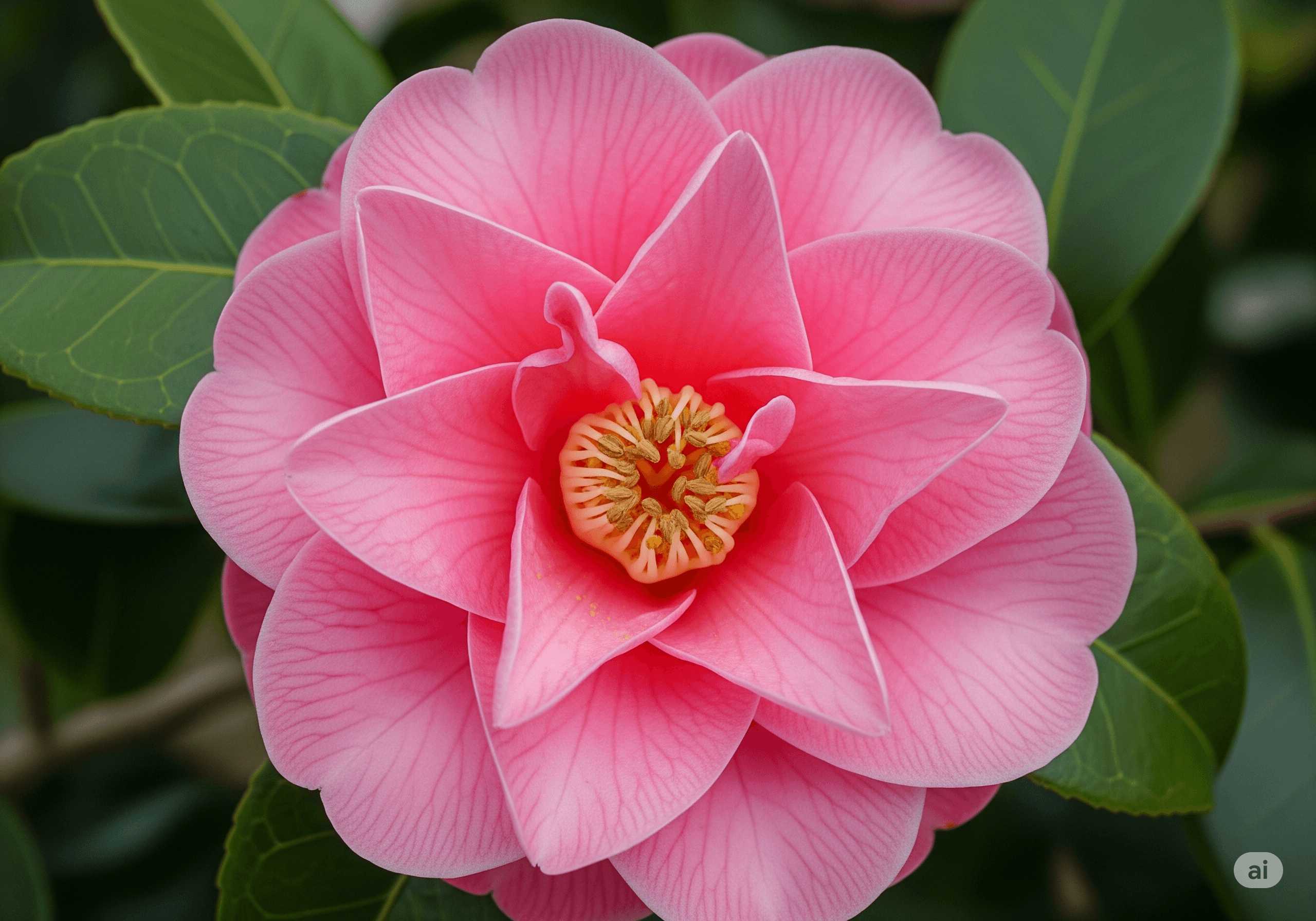
Camellias are cherished as symbols of love, devotion, and exquisite beauty. In the language of flowers, a camellia says, “You’re adorable” or “My destiny is in your hands,” reflecting deep adoration. Generally, camellias represent affection and admiration – the kind that is long-lasting and based on knowing someone well. They also convey refinement and perfection, likely due to the flower’s flawless, rose-like form. Each color of camellia carries its own nuance: a red camellia means deep romantic love and passion (the message: “You are the flame in my heart”):contentReference[oaicite:75]{index=75}; pink camellias express longing and yearning for someone (“I miss you”):contentReference[oaicite:76]{index=76}; white camellias symbolize pure love, innocence, and admiration, often given to say “You’re lovely.” Because camellias bloom in late winter or early spring, they are sometimes seen as harbingers of spring and thus can symbolize hope and the renewal of life as well. In Japanese culture, camellias (tsubaki) historically signified the noble spirit of samurai – their quiet strength and impeccable character – and were used in the crest of certain samurai clans. However, due to the way camellia blossoms fall off whole, they were also associated with the brevity of life (a reason why cut camellias were once avoided in hospital visits). Overall, a camellia given in friendship or love speaks to deep feelings that are both respectful and enduring.
History and Cultural Significance
Camellias are native to East Asia, with a rich cultivation history in China and Japan. In China, Camellia sinensis is particularly notable – better known as the tea plant, it has been brewed for over 2000 years, making camellia literally a source of the world’s tea. Camellia japonica, the ornamental species, was cultivated in ancient China and Japan for its stunning winter blossoms. By the 18th century, camellias were introduced to Europe, sparking a trend among aristocratic greenhouse collectors. The flowers were exotically beautiful and became a status symbol in Victorian conservatories. One famous cultural reference to camellias is the novel “The Lady of the Camellias” (1848) by Alexandre Dumas fils, which told the story of a courtesan who always wore white camellias (except during her menstrual period when she wore red ones). This novel – and the opera adaptation “La Traviata” – forever linked camellias with romantic tragedy and sacrificial love in Western culture. Camellias have also been intertwined with fashion: French designer Coco Chanel adored white camellias, adopting them as a personal motif in her brand to symbolize elegance and chic understatement. In the southeastern United States, camellias thrived as outdoor shrubs and became emblematic of Southern gardens; the state of Alabama named the camellia its official state flower in 1959, celebrating the plant’s abundance and beauty in the region. Medically and practically, beyond tea, camellias have seen various uses: camellia oil (tsubaki oil) extracted from seeds is used in Japan for haircare and skin, valued for its light texture and rich antioxidants. From the ancient tea rituals of China to high fashion in Paris, the camellia’s journey illustrates its broad appeal and enduring status as a flower of passion, refinement, and subtle strength.