Chrysanthemum
Chrysanthemum morifolium
Meaning and Symbolism
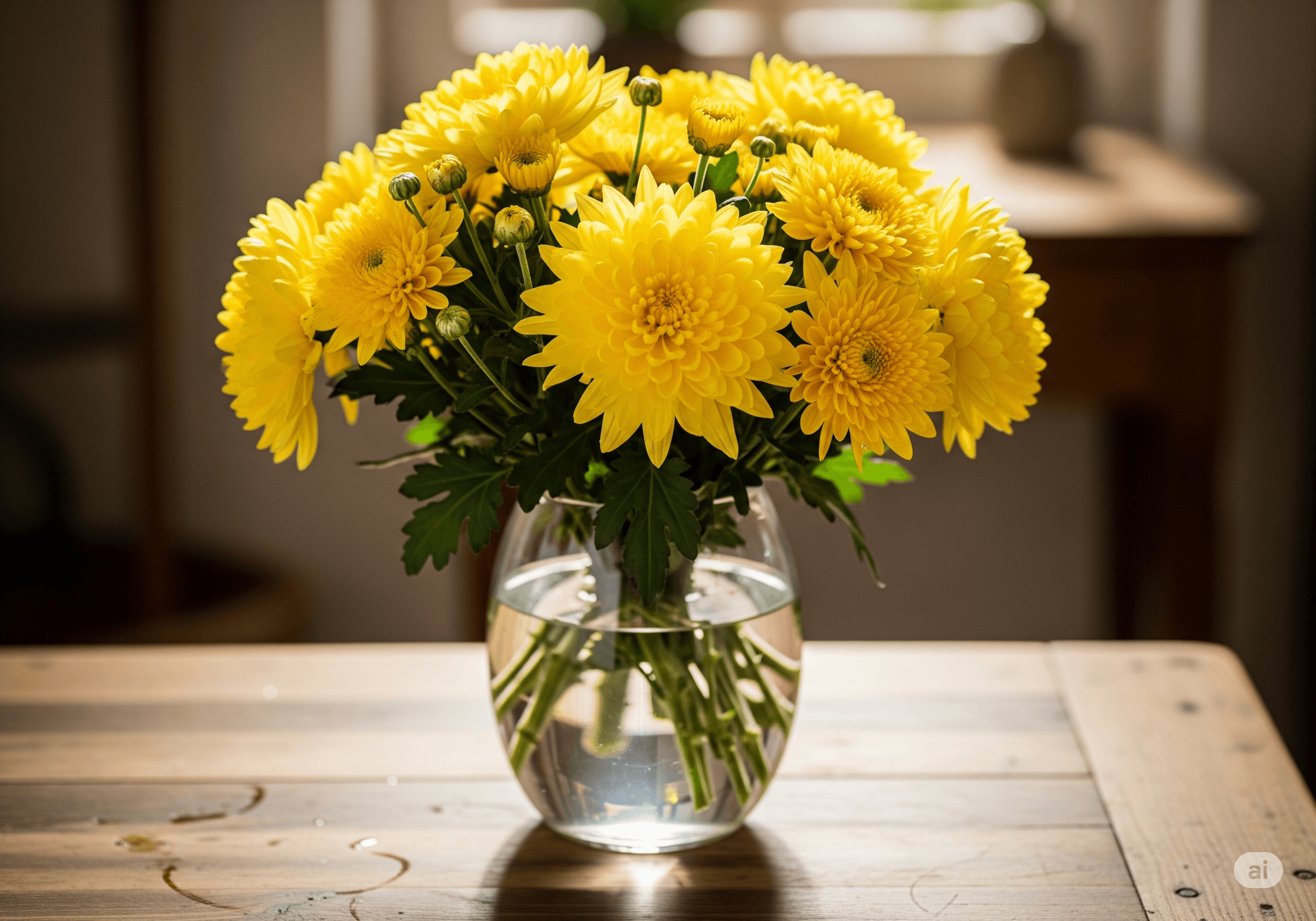
Chrysanthemums carry varied meaning across cultures, but generally they symbolize friendship, optimism, and long life. In the Western floriography, the chrysanthemum can mean cheerfulness and rest; a bouquet of yellow mums, for instance, conveys joy and well-wishing. However, certain colors diverge: a red chrysanthemum signifies deep love (“I love you”), while a white chrysanthemum can express loyalty and honesty (in some contexts, also condolence or truth). The Chinese and Japanese hold the chrysanthemum in very high regard – in China it’s one of the 'Four Gentlemen' of flowers, symbolizing longevity and perseverance (as it blooms in the cold fall); in Japan, the chrysanthemum (kiku) is the imperial emblem, representing the Sun, the harvest, and rejuvenation. Yet, there’s a dual side: in some European countries like France and Belgium, chrysanthemums (especially white ones) are seen as flowers of the dead, placed on graves for remembrance and not typically given as casual gifts. Despite regional differences, a common thread is that chrysanthemums – especially in fall – are seen as resilient blooms that bring brightness, whether in celebration of friendship and abundance or in honoring memories. Overall, they stand for loyalty, acknowledged friendship, and a life well-lived.
History and Cultural Significance
Chrysanthemums were first cultivated in China over 2,500 years ago. Ancient Chinese philosophers wrote about mums as symbols of simplicity and perfection; the flower even has a city named after it (Chu-Hsien, meaning 'Chrysanthemum City'). It was believed to have medicinal properties, capable of longevity – people brewed chrysanthemum tea to promote health and vitality. The flower made its way to Japan around the 8th century AD and quickly attained exalted status. Japanese emperors adopted the 16-petaled chrysanthemum as their imperial seal, and an ancient festival known as the Festival of Happiness (held in September) celebrates the chrysanthemum. The 'Order of the Chrysanthemum' remains Japan’s highest honor. In Western Europe, chrysanthemums were introduced in the 17th–18th centuries; by the Victorian era, they became popular autumn flowers, prized in gardens and conservatories. However, their use as grave decorations in parts of Europe gave them a somber association; to this day in some European cultures, presenting someone with mums can be seen as a faux pas unless it’s for funerary respects. Meanwhile, in the United States, chrysanthemums have no such negative connotation – they’re one of the most popular fall flowers for homes and gardens, and the birth flower for November (signifying a heart filled with love or cheer). Additionally, chrysanthemums played a part in wartime symbolism: a single white mum in a bouquet can symbolize remembrance and nobility of character. Around the world, festivals honor the chrysanthemum each autumn: from China’s Double Ninth Festival (Chongyang) to Japan’s cultural exhibitions, to modern flower shows in North America and Europe. With thousands of cultivars ranging from pompons to daisy-like heads, chrysanthemums have embedded themselves in our daily life as symbols from the convivial to the contemplative.