Bird of Paradise
Strelitzia reginae
Meaning and Symbolism
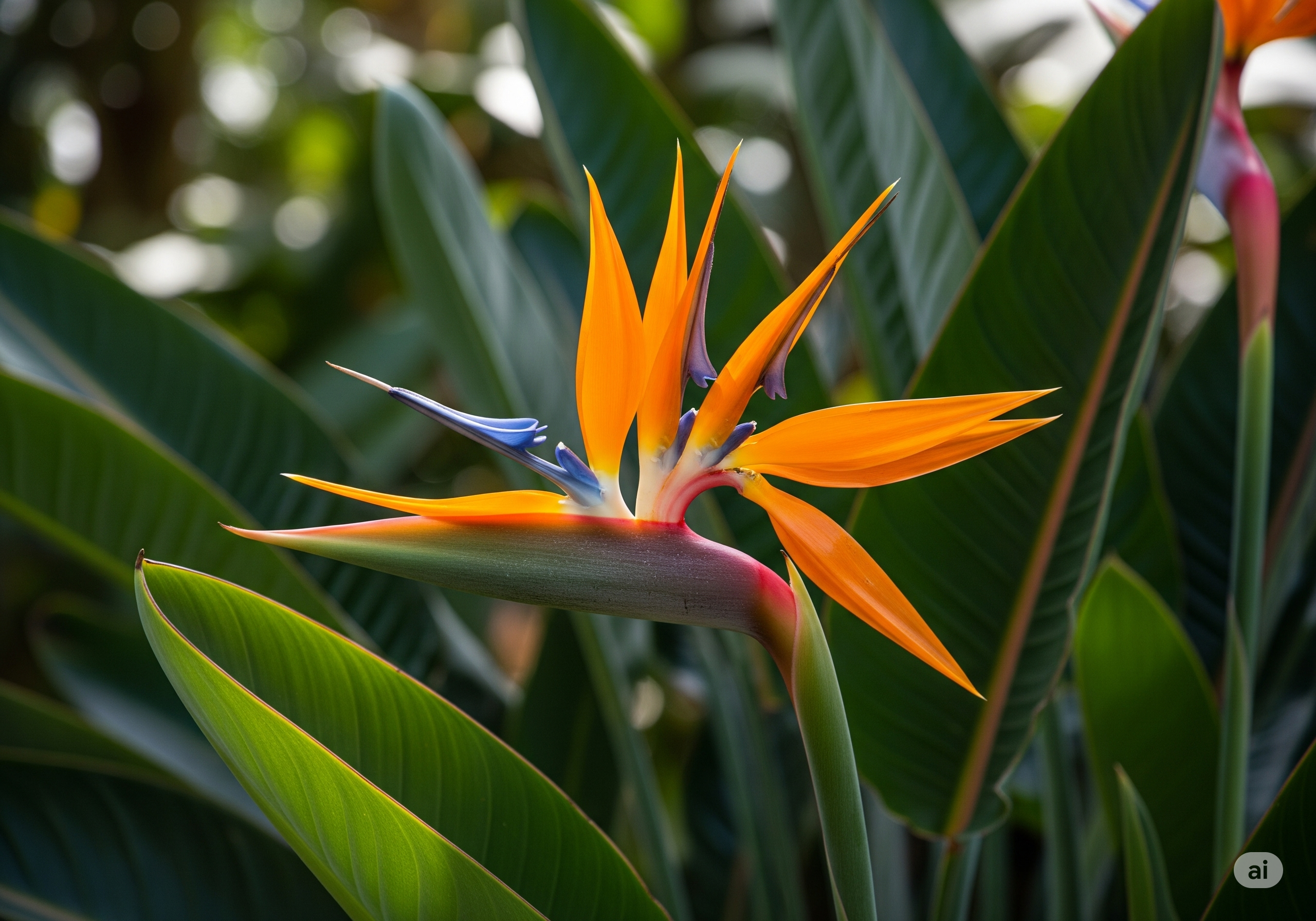
The Bird of Paradise flower, with its striking orange and blue crane-like appearance, represents joy, paradise, and freedom. Its very shape resembles a bird in flight, making it an emblem of liberty and the soaring spirit. In floriography, it also carries the meaning of magnificence and exciting anticipation – often given to celebrate feeling fortunate or to wish someone success. Because the common name evokes an image of a bird in a tropical Eden, it’s closely tied to ideas of paradise on earth and royal splendor (fittingly, its Latin name honors a queen: reginae means 'of the queen'). When you gift a Bird of Paradise, you’re essentially saying "You are wonderful" or "Enjoy the fullest of life’s beauty and freedom." It’s a bold, optimistic flower that conveys that something extraordinary is taking place or about to happen.
History and Cultural Significance
Native to South Africa, the Bird of Paradise (known locally as the crane flower) has long been recognized for its exotic beauty. It was first introduced to Europe in the 18th century and named Strelitzia reginae after Queen Charlotte of Mecklenburg-Strelitz (wife of King George III of England). In South Africa, it’s so beloved that it’s featured on the 50-cent coin and considered a symbol of the city of Los Angeles (where it’s commonly grown) as well. In Hawaiian culture, this flower appears in leis and arrangements to symbolize magnificence and joy, in line with their tropical aesthetic. Over time, Bird of Paradise has become a popular motif in art and fashion to evoke the tropics or something exceptionally striking and exotic. As a 9th wedding anniversary flower, it represents faithfulness through challenging times – likely inspired by its hardy, long-lasting blooms. Today, beyond its decorative appeal, Bird of Paradise is often included in celebratory bouquets (for graduations or milestone birthdays) to represent freedom achieved and the happiness of reaching a 'paradise' moment in life.