Begonia
Begonia
Meaning and Symbolism
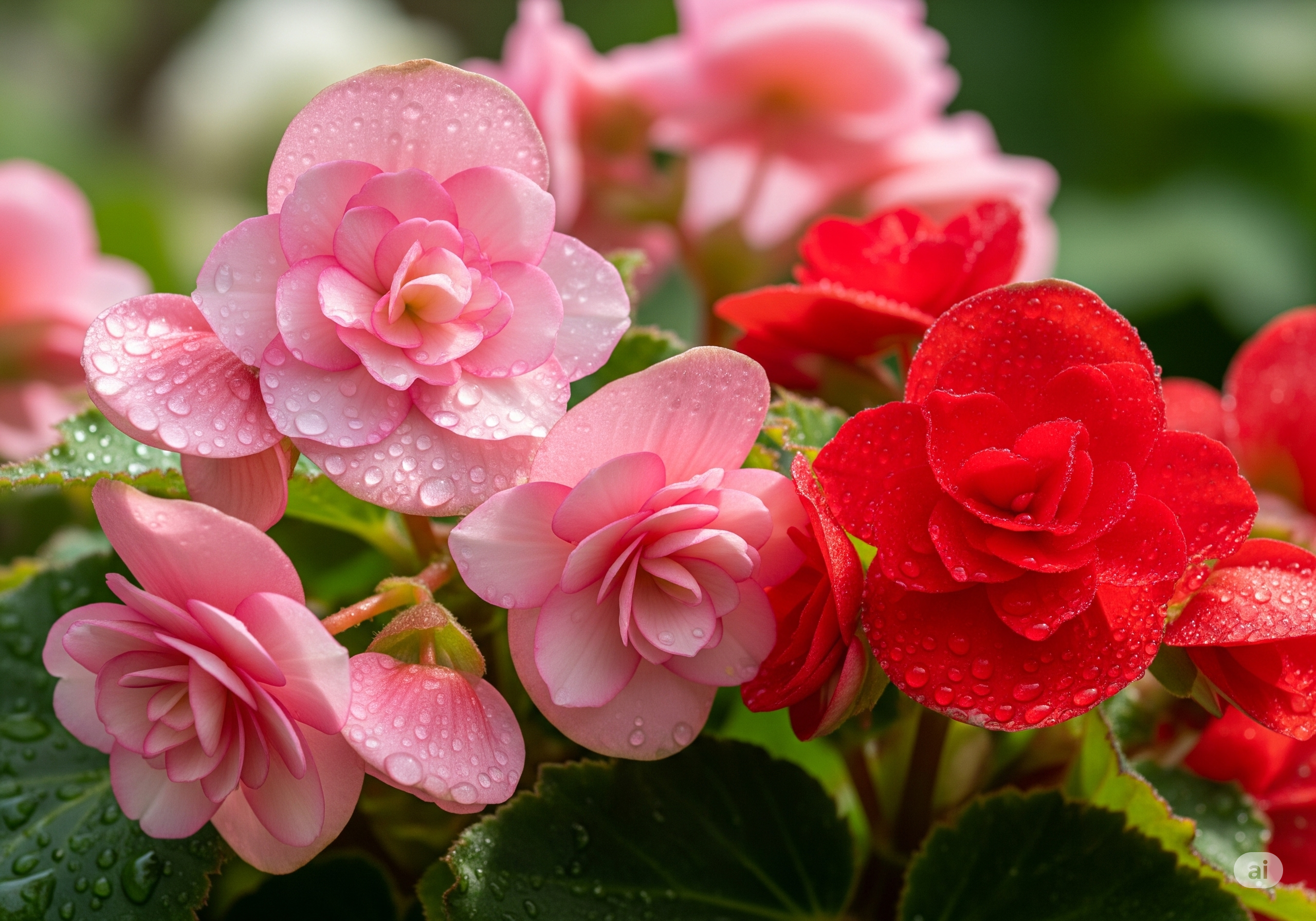
Begonias carry a mixture of meanings but are commonly associated with gratitude and appreciation. In modern interpretation, giving a begonia plant can simply say 'thank you' or indicate mutual respect. However, historically in Victorian floriography, begonias also conveyed a warning or a cautious message – possibly related to the plant’s somewhat asymmetrical, “bewildering” leaves and its need for specific care, symbolizing 'beware' or 'be cautious of fanciful whims'. This dual significance makes begonia unique: on one hand, it’s a token of friendly feelings and thanks; on the other, it hints at beware of harm or dark thoughts. Some also interpret begonias as a symbol of individuality and creativity (thanks to their often striking, patterned foliage and exuberant blooms), indicating a fanciful nature. Overall, whether expressing heartfelt thanks or subtle warning, the begonia’s bright flowers and interesting leaves definitely make a statement.
History and Cultural Significance
Begonias were first documented in the late 17th century and named by French botanist Charles Plumier in honor of Michel Bégon, a French patron of botany. Native to tropical and subtropical regions like Central and South America, Africa, and Asia, begonias became popular houseplants in Europe by the Victorian era. Their ability to bloom in shade and their ornate leaves made them favorites in conservatories and parlors. Victorians, loving hidden meanings in plants, might gift a begonia as a gentle rebuke or caution – for example, a suitor might receive one to suggest he temper his enthusiasm. In contrast, various cultures simply admired the begonia for its beauty: In China, begonias (瓔珞海棠) have been depicted in art and poetry as emblems of deep thoughts or melancholy due to their drooping clusters. Over time, plant breeders have created hundreds of hybrids, and today begonias symbolize hospitality and gratitude in many contexts (such as being given to hosts or used in thank-you arrangements). They are also the national flower of North Korea, known as 'kimjongilia' (a hybrid begonia named after Kim Jong-il), which there symbolizes peace and friendship. Thus, begonias have journeyed from cautionary Victorian messages to modern tokens of thanks and welcome.