Anemone
Anemone
Meaning and Symbolism
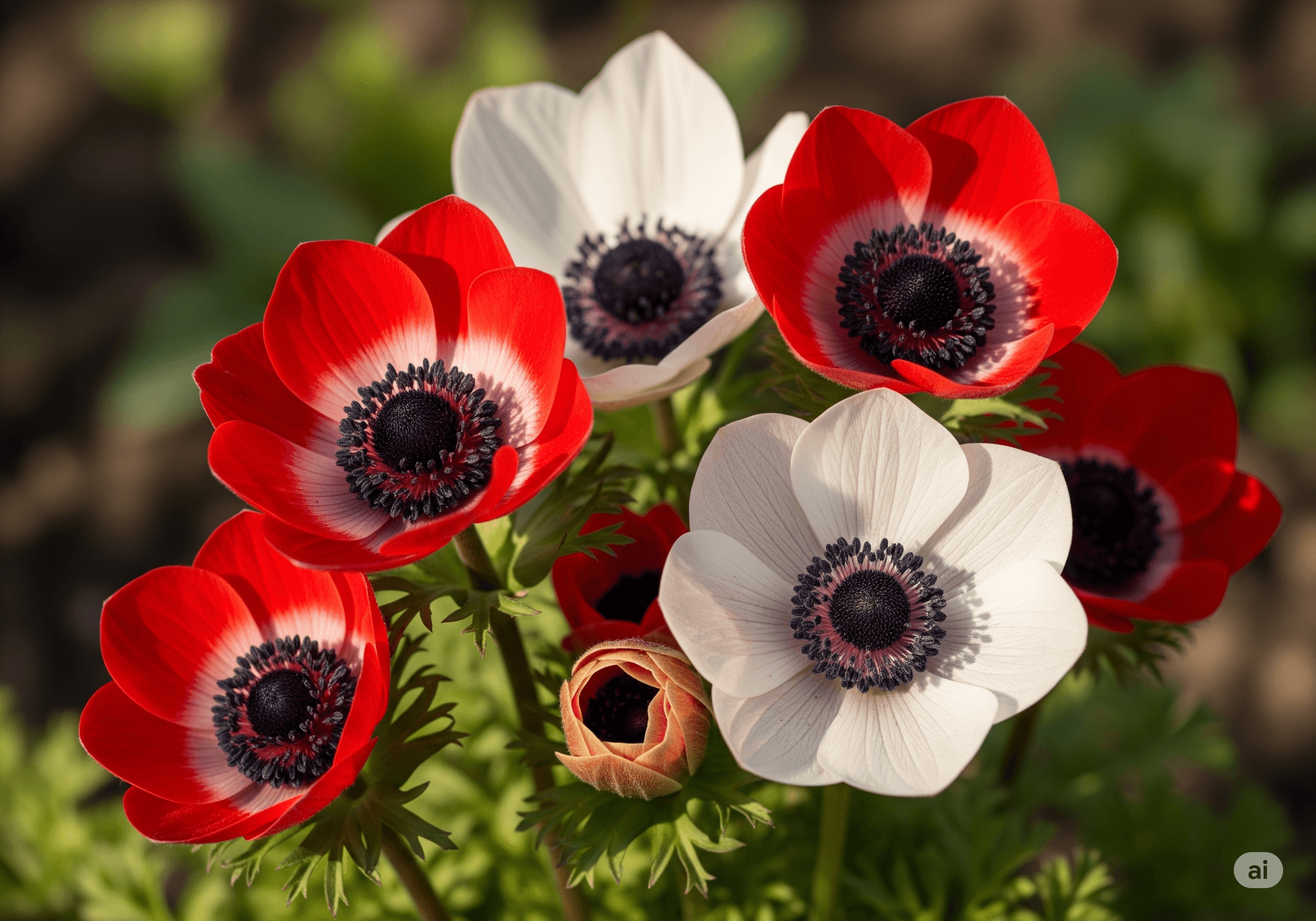
Anemone, often called “windflower,” carries mixed symbolism across cultures – reflecting both anticipation and fading hope. In the language of flowers, anemones can mean forsaken or forgotten love, as well as protection against evil. The dual meanings come from its lore: in Greek myth anemones sprang from the fallen blood of Adonis, making them a symbol of love lost to death. Yet their habit of closing at dusk and opening at dawn also ties them to anticipation and the arrival of something new (as they herald spring’s start). The anemone’s delicate petals trembling in the breeze have long been seen as omens: in Europe, a closed anemone was a sign of approaching rain or bad luck, whereas in some Eastern cultures white anemones are linked to ill tidings. Despite these somber tones, modern interpretations also see the anemone as a protector – Victorian folklore suggested carrying anemone blossoms could ward off illness. This complexity makes the anemone a fascinating bloom of both negative and positive connotations: loss and luck, death and rebirth, all encapsulated in one flower.
History and Cultural Significance
Anemones appear in both ancient myth and art. The name “windflower” reflects the belief that the wind helps them open. Greek mythology recounts that Aphrodite’s tears and Adonis’s blood created red anemones – thus, red anemones became symbols of a love that carries on after death (and also of the fragility of life). The ancient Egyptians and Chinese also knew anemones; in Chinese folklore the anemone’s closing petals meant approaching rain. The flower was later embraced in European heraldry and medicine: some thought anemone blossoms could chase away fever and plague. In the Victorian era, its striking colors (ranging from scarlet to purple and white) made it popular in gardens and bouquets with the coded message “unfading love” or sometimes “I feel abandoned,” depending on context. Today, anemones continue to be cherished in floral arrangements – red anemones, for instance, are sometimes worn in remembrance (due to their connection with blood and sacrifice), while other varieties simply add vibrant beauty. Culturally, they have also been featured in famous paintings (notably by Claude Monet) symbolizing the arrival of spring. The anemone’s rich tapestry of meanings ensures it remains one of the most intriguing symbolic flowers.