Amaryllis
Amaryllis belladonna
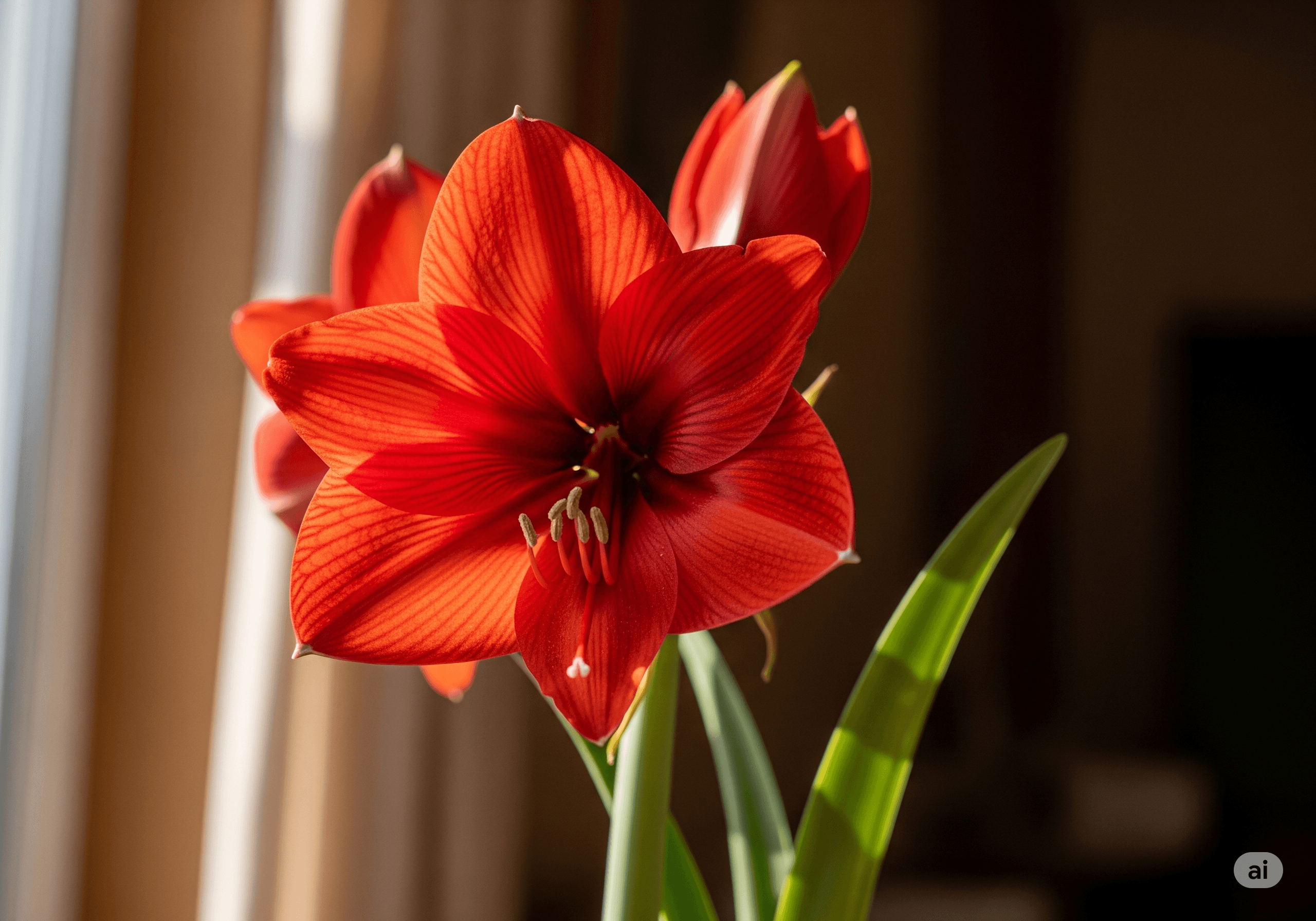
Meaning and Symbolism
Amaryllis is commonly associated with pride, determination, and radiant beauty. Blooming boldly often in winter (around the holidays), it represents strength and splendid beauty that emerges even in the bleakest times. Its name in Greek means “to sparkle,” appropriate for a flower that commands attention with its large, star-like blooms. Culturally, the amaryllis has come to symbolize success after struggle – the idea of shining brightly following perseverance. When given as a gift, an amaryllis can express the sentiment “you are sparkling and splendid,” acknowledging someone’s inner strength and beauty. It’s also linked with pride (in a positive sense), as the tall stalk and vibrant flowers stand proudly above other plants.
History and Cultural Significance
Native to South Africa’s Cape region, the Amaryllis (also known as belladonna lily or Jersey lily) was introduced to Europe in the 18th century and quickly fascinated horticulturists. Its ability to bloom indoors during winter made it a favorite in Victorian greenhouses and parlors as a holiday display, which is why it’s still closely associated with Christmas in many places. The amaryllis features in Greek lore as well: a legend tells of a shy nymph named Amaryllis who loved a shepherd and pierced her heart daily with a golden arrow, from which sprung a crimson flower. This tale underscores the flower’s connection to splendid beauty born of resolve and heartfelt effort. Today, amaryllis bulbs are often gifted in winter with the expectation of brilliant blooms by Christmas, symbolizing hope, success, and the reward of patience. In the language of flowers, receiving an amaryllis may compliment someone’s achievements or express confidence in their strength and pride.