Amaranth
Amaranthus
Meaning and Symbolism
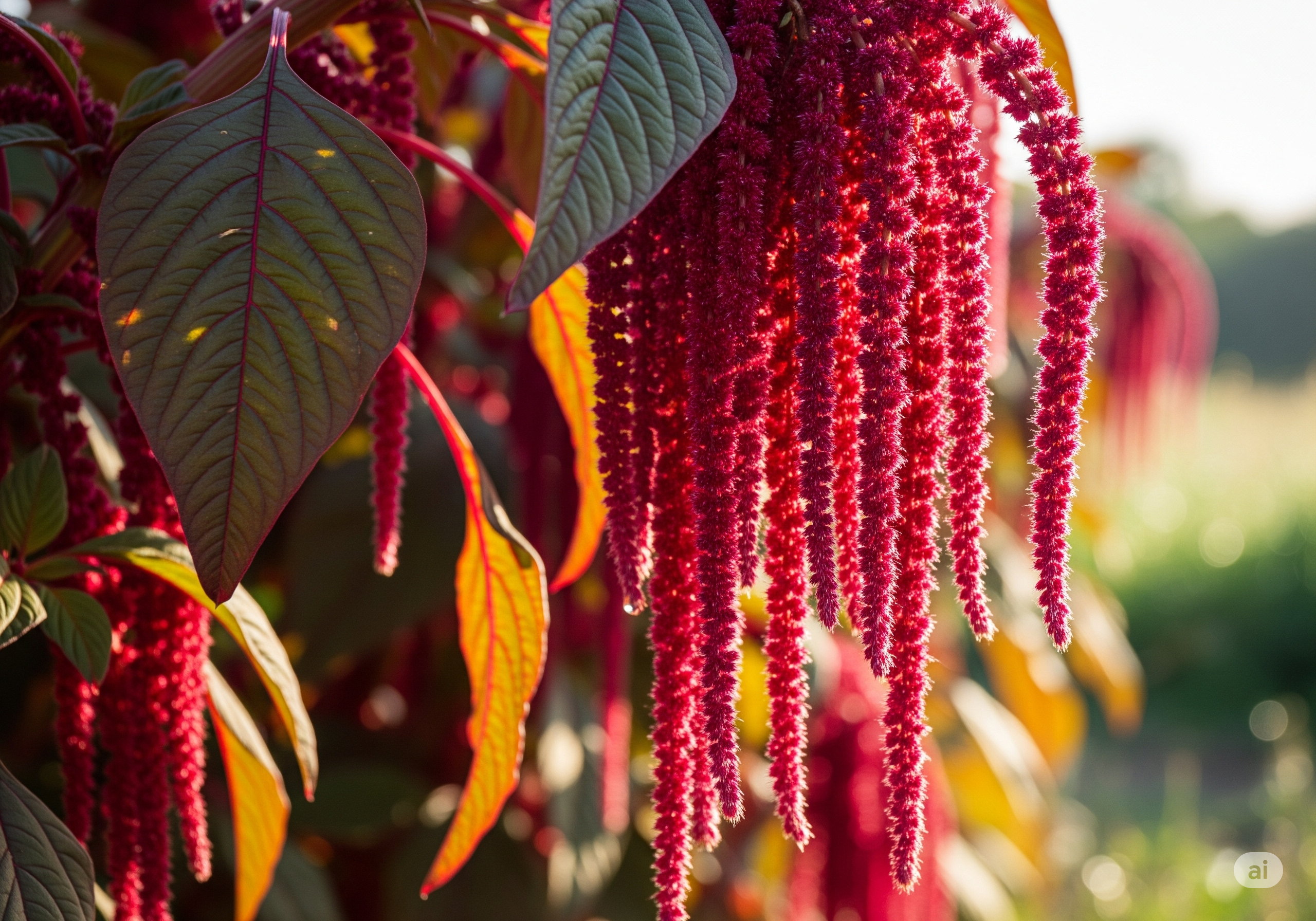
The amaranth flower symbolizes immortality and unfading love. Its name comes from the Greek 'amarantos', meaning 'unfading', as the plant’s deep crimson tassel-like blooms retain color even when dried. In symbolism, Amaranth has long been associated with immortality and enduring strength – the idea that true love or great memories never die. Because the flowers do not easily wither, they became an emblem of longevity and steadfastness in affection. Some cultures also view amaranth as a symbol of resurrection or rebirth, given its ability to sprout prolifically. Overall, presenting an amaranth implies that your feelings will not fade and that the bond shared is timeless.
History and Cultural Significance
Amaranth is native to the Americas and was highly revered by the Aztecs and other indigenous peoples. It was cultivated both as a grain and a ritual plant – amaranth seeds were often used in ceremonial foods, signifying vitality and perhaps even immortality of the soul. When the Spanish arrived, they noted how amaranth played a role in Day of the Dead traditions (and it still does to this day in Mexico, where amaranth confections are made for the holiday). In the Victorian language of flowers, amaranth’s unfading nature made it the quintessential symbol of an undying memory or everlasting love. In Western literature, it’s sometimes referenced as the archetypal 'unfading flower' on the plains of heaven. Today, aside from its ornamental use in dried arrangements and gardens, amaranth remains culturally significant: for example, in folk tales it’s the flower that never dies, a poetic metaphor for eternal life or remembrance.