Stephanotis
Stephanotis floribunda
Meaning and Symbolism
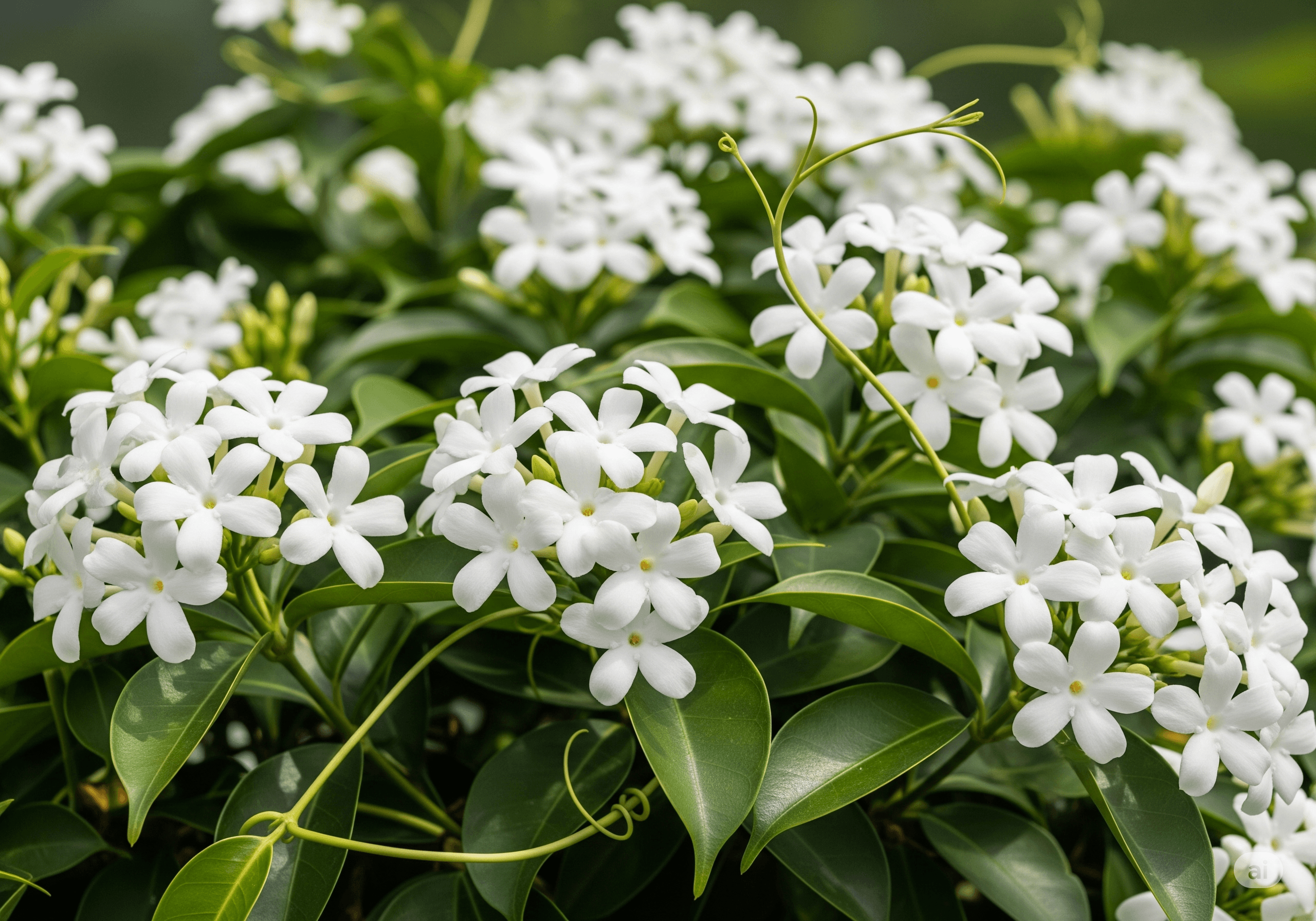
Stephanotis, also known as Madagascar jasmine, is cherished for its pristine, star-shaped white blooms and sweet fragrance. In the language of flowers, stephanotis represents marital happiness, good fortune, and a blessed union. Its connection to weddings is so strong that it is sometimes referred to as the “bridal veil” flower, frequently included in bridal bouquets, boutonnieres, and corsages. White, as its sole natural color, symbolizes purity, sincerity, and a clean slate—perfect for starting a life together. Because the blooms open gradually over time, they are also seen as a metaphor for a relationship unfolding and deepening. Stephanotis communicates a wish for a harmonious marriage, a home filled with love, and the endurance to weather life’s changes together.
History and Cultural Significance
Native to Madagascar, stephanotis was introduced to Europe in the early 19th century, quickly becoming a symbol of elegance and refinement in Victorian conservatories. Its name comes from the Greek “stephanos” (crown) and “otis” (ear), referring to the crown-like structure at the base of the bloom. Stephanotis became particularly popular in mid-20th century American weddings, partly due to its promotion in bridal magazines and its presence in high-profile ceremonies. In Madagascar, the plant is valued as an ornamental vine and as a fragrant addition to gardens. Florists prize it for its longevity in arrangements—if handled correctly, its blooms can last throughout an event without wilting. In Hawaiian lei-making, stephanotis is sometimes used for its pristine appearance and scent, symbolizing honor and respect. Today, it continues to be a luxury choice for bridal work, often paired with roses, orchids, or lilies for a romantic and timeless effect.