Hydrangea
Hydrangea macrophylla
Meaning and Symbolism
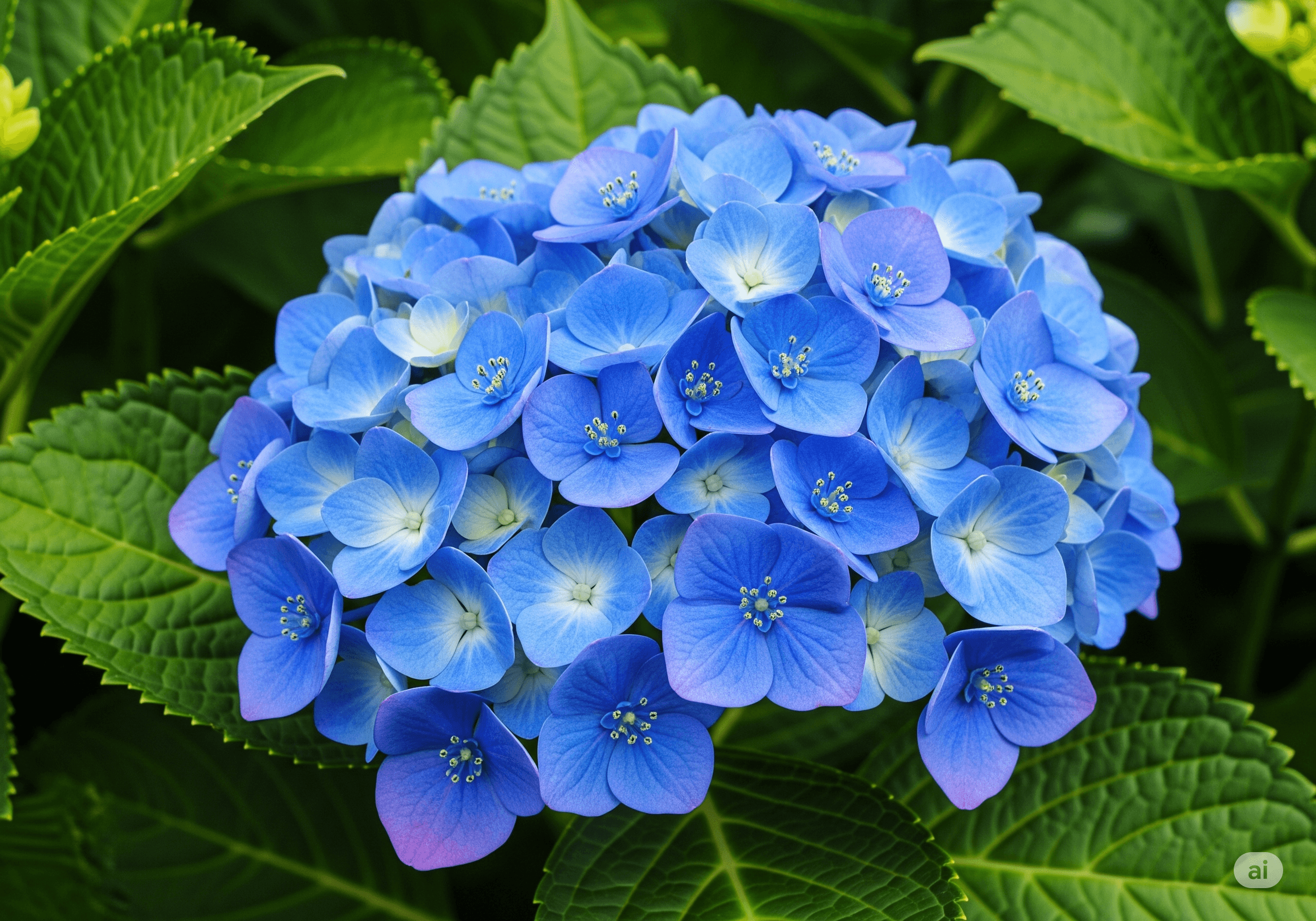
Hydrangeas are known for their voluminous, cloud-like clusters of blossoms and carry complex symbolism. On one hand, they represent gratitude and heartfelt emotion – their abundant petals can symbolize an outpouring of heartfelt feelings. A pink hydrangea, for example, often conveys sincere love, deeper understanding, or a ‘thank you’ from the giver’s heart. Blue hydrangeas commonly symbolize apology and regret, or sometimes frigidity depending on context – a bouquet of blue hydrangeas can mean “I’m sorry” or “please forgive me,” as the cool blue hue is associated with depth of feeling and sometimes remorse. White hydrangeas can signify purity and grace but have also been interpreted as symbols of bragging or vanity in Victorian floriography (possibly because hydrangea bushes produce lavish blooms but little fragrance, leading Victorians to a fanciful notion of ‘boastfulness without substance’). In Japan, hydrangeas (ajisai) are linked to heartfelt apology and gratitude. One legend tells of an emperor who gave blue hydrangeas to the family of a girl he loved to apologize for neglecting her, thus connecting hydrangeas to sincere feelings and reconciliation. Generally, hydrangeas express deep understanding between people. Their ability to change color based on soil pH is also symbolic – it’s like they adapt and reflect their environment, which can be seen as embodying grace and alignment with one’s surroundings. When used positively, a hydrangea arrangement often means “Thank you for understanding” or “You’ve touched my heart.”
History and Cultural Significance
Hydrangeas are native to Asia and the Americas. They have been cultivated in Japan for centuries, with many exquisite varieties developed there. In Japanese culture, hydrangeas bloom during the rainy season (Tsuyu) in June, and festivals celebrate their beauty in temple gardens. The flowers’ tendency to change color captivated observers; they saw this as symbolic of change and impermanence. European explorers first encountered hydrangeas in the 18th century. The first known European hydrangea was brought from China by botanist Sir Joseph Banks. Its scientific name “Hydrangea” comes from Greek: *hydor* (water) + *angeion* (vessel), referring to its cup-like seed pods or possibly its thirst for water (hydrangeas do love moisture). The French were particularly enamored with hydrangeas; by the 19th century, hydrangeas became popular ornamental plants across Europe. French horticulturist Victor Lemoine bred many new varieties, including the classic bigleaf hydrangea with vibrant snowball blooms that became a staple in Victorian gardens. Victorians, while appreciating the beauty of hydrangeas, also assigned them less flattering meanings: a token of a boastful person or a symbol of heartlessness if given single, perhaps due to some anecdotal lore. There was even a superstition in England that planting a hydrangea by your door would discourage suitors from coming (as if to say the girl was too prideful). Needless to say, those meanings have faded over time as the flower’s generous beauty is its prevailing impression. Hydrangeas also have practical uses: certain species’ dried heads were used in herbal remedies by Native Americans (Hydrangea arborescens was used to treat kidney stones and ailments). In Japan, hydrangea leaves (ama-cha) are used to brew a sweet tea for the Buddha’s birthday ceremony – poured over statues of Buddha in a ritual of gratitude. Today, hydrangeas are beloved globally. They often decorate weddings (especially the white and blue varieties) because of their voluminous, romantic look and the sentiment of gratefulness and understanding they carry. In the language of wedding anniversaries, hydrangeas are sometimes listed as the 4th anniversary flower, symbolizing appreciation and gratitude in a marriage’s journey.