Gladiolus
Gladiolus
Meaning and Symbolism
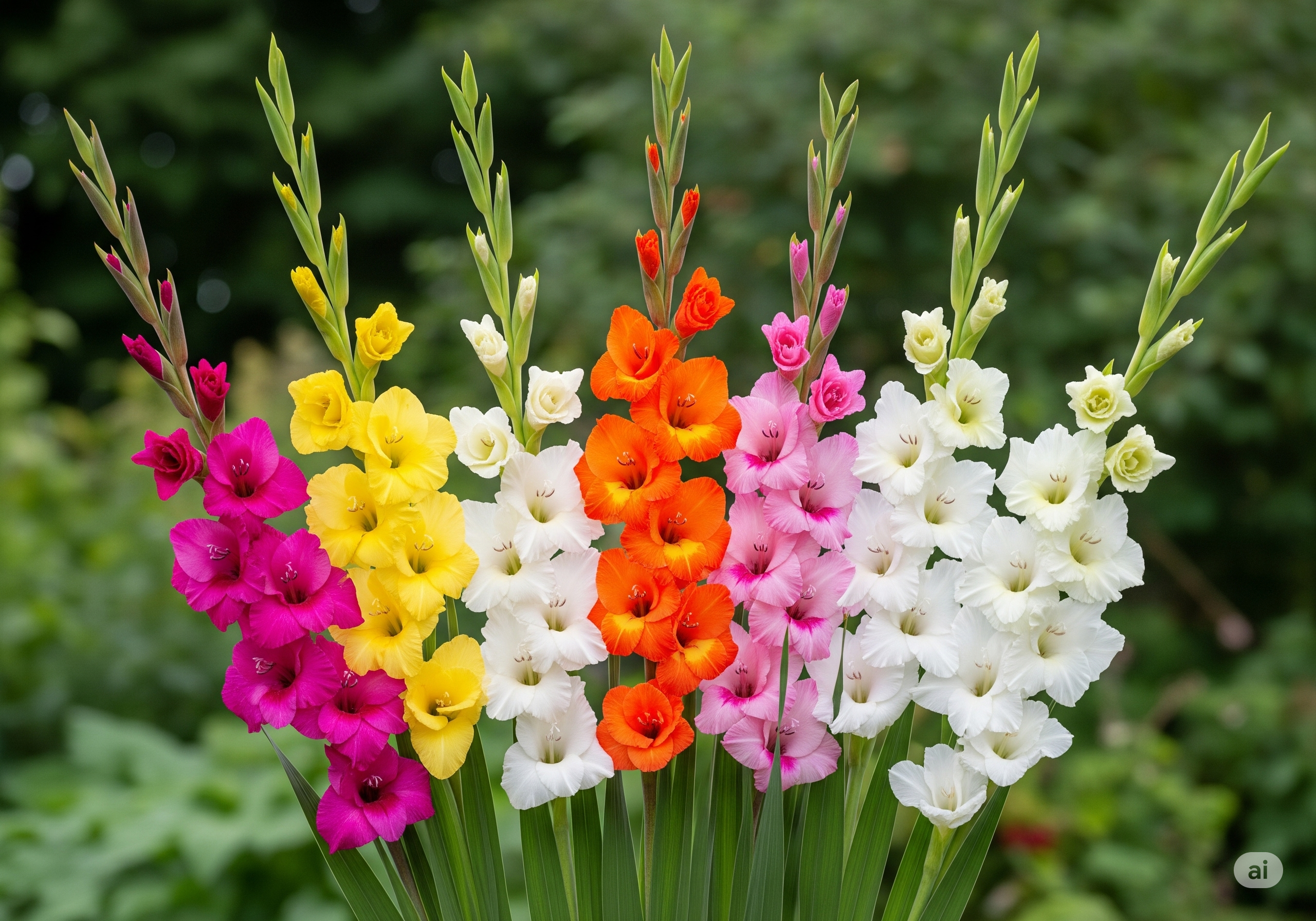
Gladiolus flowers symbolize strength of character, honor, and moral integrity. The name “gladiolus” comes from the Latin word for sword (gladius), hence they are often called sword-lilies – fittingly, they represent a warrior’s strength and courage. In the language of love, receiving a bouquet of gladioli means “you have pierced my heart.” This alludes to the flower’s sword-like shape and conveys infatuation or deep passion – as if the giver is lovestruck. Because of this, gladiolus can also signify remembrance of first love or the thrill of new romance, making them appropriate for romantic occasions like Valentine’s Day. Gladioli carry meanings of loyalty and admiration as well. Their towering stems bristling with blossoms are seen as an embodiment of persistence and faithfulness – they stand tall and proud, much like someone who sticks to their principles or remains devoted through challenges. Additionally, different colors share subtleties: pink gladioli might convey gentle love and femininity, red expresses deep love and passion, white suggests purity and remembrance, and yellow can denote cheerfulness and friendship. In some contexts, gladiolus is associated with remembrance and consolation (particularly the white gladiolus, often used in sympathy arrangements to honor someone’s strength of character). But overall, the gladiolus speaks to strong emotions – whether of love, respect, or sympathy – always with an undertone of strength and integrity.
History and Cultural Significance
Gladioli are native to Africa, particularly South Africa, and the Mediterranean region. Many wild species were brought to Europe in the 18th century, where horticulturists began hybridizing them. By the 19th century, gladiolus was a star of Victorian gardens and flower shows – new hybrids with larger and more colorful blooms were unveiled frequently. The flower’s connection to gladiators stems from ancient Rome: legend has it that gladioli sprang from the swords of fallen gladiators, and Romans considered the flower a symbol of victory. Victorious gladiators were supposedly showered with gladiolus blooms by admirers, intertwining the flower with honor and triumph. In floral customs, gladiolus is noted as the August birth flower (alongside poppy), signifying strength and generosity for those born in that month. It’s also traditionally given on the 40th wedding anniversary, symbolizing the long-lasting strength and fond memories of four decades together. Gladioli have also been part of modern cultural rituals. In the Netherlands, for example, participants of the Nijmegen March (a famous 4-day walking event) are greeted at the finish line with gladioli – referencing the Roman practice of giving gladiators gladioli, and celebrating the walkers’ endurance and victory. Horticulturally, gladiolus corms (often mistakenly called bulbs) have to be dug up in cold climates and stored over winter, then replanted – yet they remained popular even with this extra effort due to their stunning vertical display. This effort perhaps adds to the plant’s association with persistence and reward after labor. From ancient arenas to contemporary celebrations, the gladiolus has maintained a presence as a symbol of strength, remembrance, and heartfelt passion. It bridges classical lore with everyday life, especially whenever a tall stalk of gladioli graces an event, silently declaring that strong principles or emotions are being honored.