Echinacea (Coneflower)
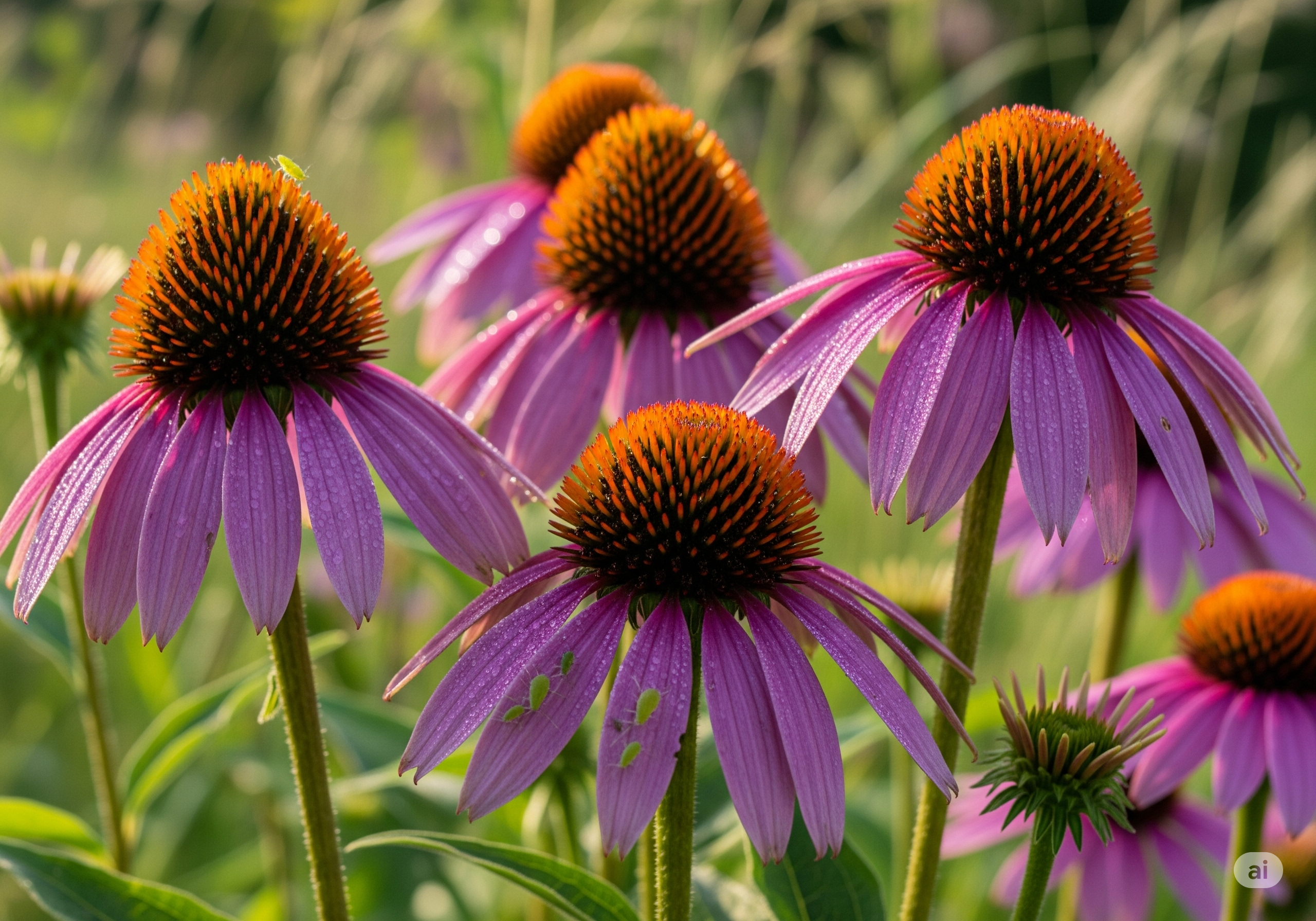
Echinacea purpurea
Meaning and Symbolism
Echinacea, commonly known as coneflower, is a symbol of health and healing. Often associated with medicinal strength (since the plant is famously used as a herbal remedy to boost the immune system), echinacea flowers represent well-being and recovery. Gifting echinacea can imply wishes for good health or a speedy recuperation. Beyond health, echinacea symbolizes strength and resilience. These flowers are prairie natives that withstand tough conditions—drought, wind, and poor soil—so they carry the meaning of enduring adversity with grace. Their bright, daisy-like appearance with a prominent central cone also exudes positivity and warmth. As a result, coneflowers can signify encouragement and optimism – like a sunny beacon in difficult times. In the Victorian language of flowers, although echinacea wasn’t a common bouquet flower then, one might interpret it under the general daisy family symbolism as expressing “strength of character” or a protective feeling (in line with its protective medicinal qualities). Overall, echinacea stands as a humble yet powerful bloom that conveys heartfelt wishes of vitality, resilience, and support.
History and Cultural Significance
Echinacea is native to North America, and its medicinal uses were well-known among Native American tribes long before European colonization. The Great Plains tribes, such as the Lakota and Cheyenne, used echinacea root and tea to treat ailments like coughs, sore throats, and snakebites – it was a veritable cure-all in their pharmacopeia. The genus name “Echinacea” comes from the Greek word for “hedgehog,” due to the spiky cone at the flower’s center that resembles a bristly hedgehog or sea urchin. European settlers adopted echinacea as a medicinal herb by the 18th and 19th centuries, and it became a popular remedy (sometimes called “Missouri snakeroot” or simply coneflower). In the early 20th century, echinacea tinctures were widely sold in the United States as an immune tonic, but its use declined with the rise of antibiotics. Interestingly, Germany played a big role in keeping echinacea in the modern herbal apothecary – German researchers in the mid-20th century studied it and helped reintroduce echinacea extracts as popular cold and flu supplements worldwide. Today, it’s one of the top-selling herbal supplements, symbolizing a return to natural wellness. In the garden, Echinacea purpurea (the purple coneflower) and its relatives have become beloved for their hardiness and for attracting butterflies and bees. They are a staple in prairie-style and pollinator-friendly gardens. Some people even refer to them as 'America’s wildflower' because of their quintessential presence in summer meadows. Culturally, while echinacea doesn’t have the decorative history of roses or lilies, its surge in popularity as a health supplement has made it a household name associated with self-care and the wisdom of folk medicine. It embodies a blending of indigenous knowledge and modern interest in natural remedies, standing as a living symbol of healing traditions passed down through generations.