Allium
Allium
Meaning and Symbolism
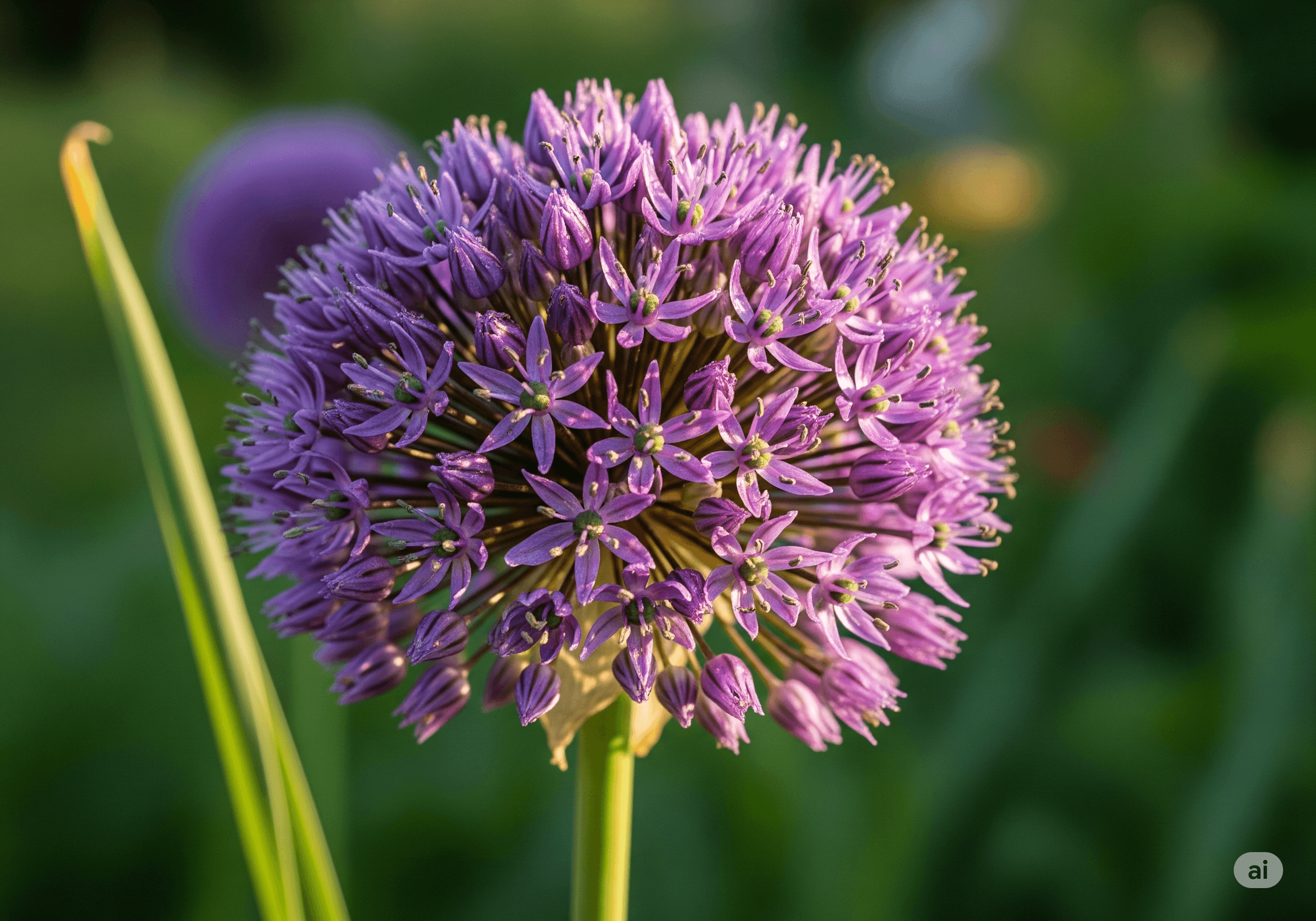
Alliums, ornamental relatives of the onion, carry rich symbolic meaning. Often associated with unity and good fortune, these globe-shaped clusters of purple or white blooms represent the coming together of many small pieces into a harmonious whole. Their straight, tall stems and long-lasting blooms also symbolize patience and humility, reminding us that strength and prosperity can grow from a humble origin. In floriography, allium’s multiple florets in a single sphere embody unity in diversity, making them a flower of prosperity and perseverance.
History and Cultural Significance
Alliums have been cultivated since at least the 18th century as ornamental garden plants and have a cosmopolitan distribution across the Northern Hemisphere. Carl Linnaeus himself described the genus in 1753, and since then alliums have been appreciated both for their striking spherical blossoms and their practical uses. Historically, members of the Allium family (like garlic and onion) were valued medicinally and symbolically for warding off evil. In modern gardens, the ornamental allium became especially popular in Victorian times as a symbol of good luck. Today, they are beloved in floral design for their architectural shape and longevity. They also have a quirky cultural footnote: because of their oniony cousins, alliums sometimes represent protection and healing in folklore. Their presence in a bouquet is said to bring prosperity and unity, making them common gifts for housewarmings or to celebrate group achievements.