Lily of the Valley
Convallaria majalis
Meaning and Symbolism
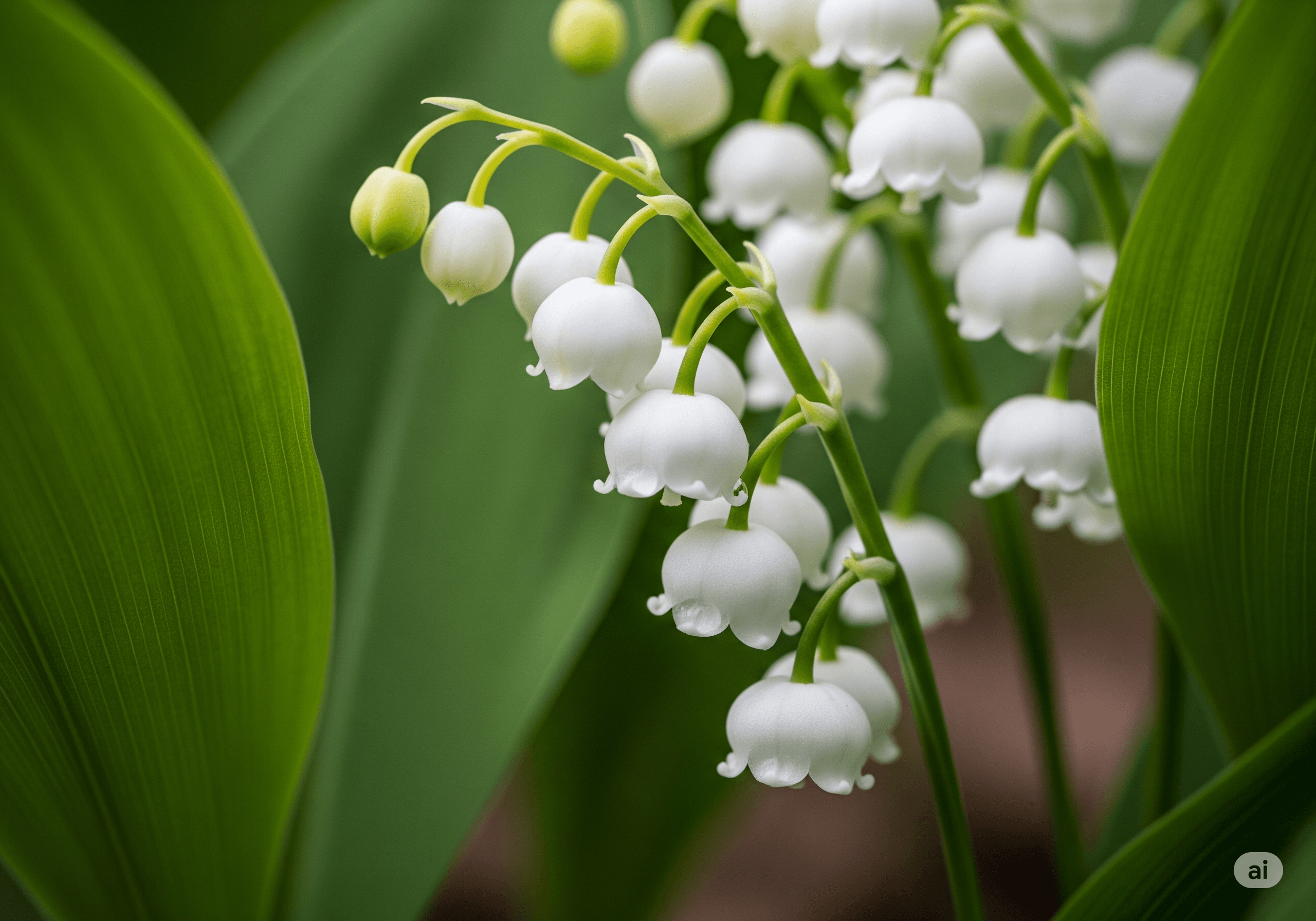
Lily of the valley is a delicate, sweet-smelling flower known to symbolize purity, innocence, and the return of happiness. Its tiny white bell-shaped blossoms often are associated with spring and new beginnings – they typically bloom in late spring, heralding brighter days. In the language of flowers, lily of the valley carries the message "you have made my life complete," reflecting a sense of wholeness and joy. It is also linked to humility and the sweetness of one’s character (due to its low-growing nature and gentle fragrance). In Christian lore, lily of the valley is sometimes called "Our Lady’s Tears," said to have sprung from the tears of the Virgin Mary at the crucifixion, hence signifying purity and sorrow turning into comfort. Overall, the flower is an emblem of hope and happiness returning after trials.
History and Cultural Significance
Native throughout the cool temperate Northern Hemisphere, lily of the valley has been cherished in Europe and Asia for centuries. In France, it is a tradition on May 1st (May Day) to give bouquets of muguet (lily of the valley) to loved ones as a token of good luck and happiness for the year to come – a custom dating back to the Renaissance. The flower is featured in legends: one tale tells of St. Leonard battling a dragon in a forest – where his blood fell, lilies of the valley grew, symbolizing the triumph of good over evil. The lily of the valley is also famed for its role in royal weddings. It was a prominent flower in the bridal bouquets of Princess Grace Kelly and Catherine, Princess of Wales (Kate Middleton), signifying the return of happiness and purity in marriage. The flower was the national flower of Yugoslavia and remains the national flower of Finland:contentReference[oaicite:144]{index=144}, attesting to its beloved status. In perfume, lily of the valley’s scent has been immortalized by renowned fragrances like Dior’s "Diorissimo" (1956) which sought to capture its fresh essence. Cautionary note: all parts of the plant are highly poisonous if ingested – an interesting contrast to its innocent appearance. Nevertheless, lily of the valley’s legacy in culture is overwhelmingly positive: a symbol of hope, a bringer of good fortune, and a fragrant harbinger of happier times.